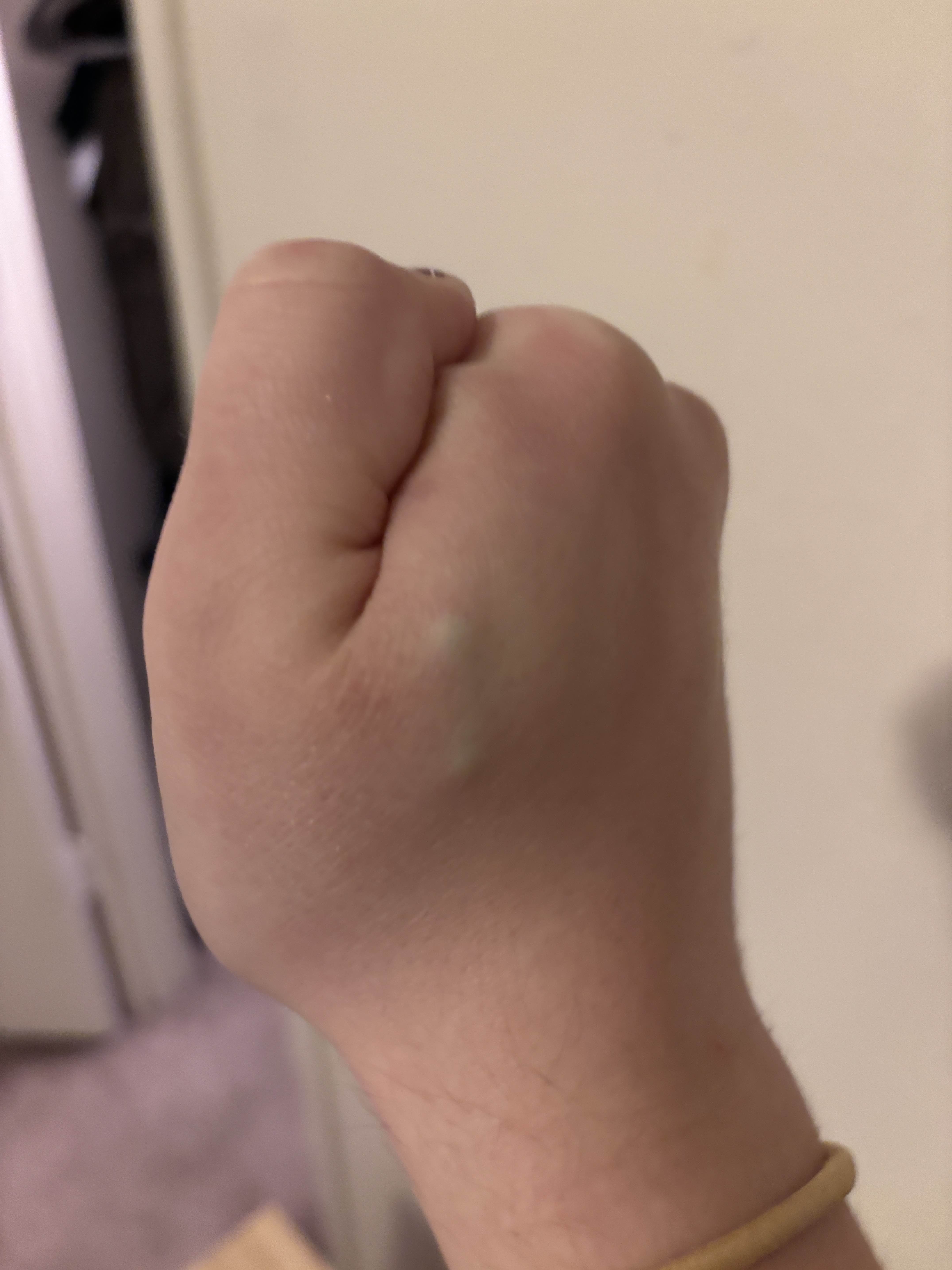
adora, just kind of being
thereI have multiple implants (adora, a NEXTv2, and
entrapta, an xG3) and one
wearable (pythia, a Fitbit Inspire 3). Of course, I’m
planning on getting more—short term plans include a CoM
conversion for tap-to-pay and a FlexNT for
reasons I will discuss below, and in the longer term I plan on getting a
BodyBytes
implant in my leg (also to be discussed below). However, from an
engineering design perspective, I think having implants and wearables
work together is an interesting concept I’d like to explore.
An implant alone, with the current state of the art, is not a super useful thing. Sure, being able to present an NFC chip or payment module in my hand is a neat party trick, and magnets help me carry screws and small ferromagnetic parts, but on the whole, the problem of powering it means that without an external device to accompany, most implants cannot do anything on their own.
What about pairing a “smart” implant with a “dumb” wearable, which would provide only power? An example of this is found in the BodyBytes implant mentioned earlier, which is an OpenWrt wireless access point that can be implanted in the leg and used as a file server. It has no power source of its own, and requires an external Qi battery mounted near it (for example, attached to a garter or holster) to function. This allows it to work continuously, but the implant itself is large, expensive, and requires a high level of skill to implant (though, knowing its creators, such skill is definitely available).
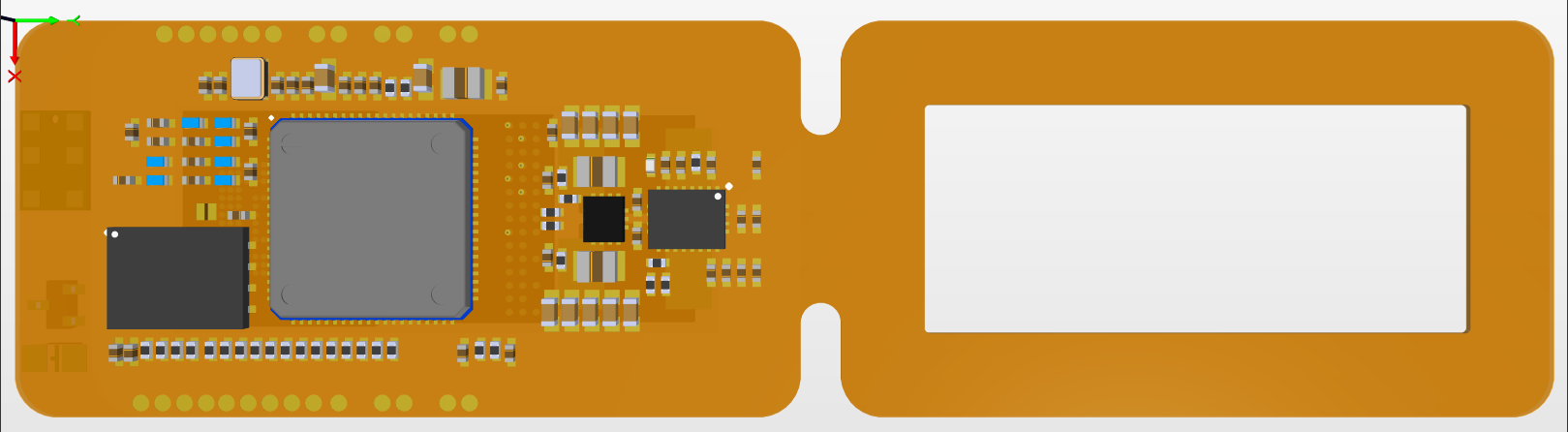
Another compromise can be found by pairing a relatively “dumb” implant with a “smart” wearable; that is, the implant only stores data, with power and computation occurring on the wearable. For example, a current (extremely early stage, possibly infeasible) project I’m workshopping involves pairing a flexible NFC implant placed under my neck tattoo with a choker that can act as a FIDO2 device, allowing me to split credentials between the implant and the choker and use them for authentication (such as for SSH or OpenID Connect). This would result in a cheap implant and a simple wearable that can together perform a complex function. However, without the wearable, the implant itself is useless (possibly a brick, if credentials are split using XOR, encryption, or Shamir secret sharing).

It all comes down to engineering design: it makes sense in many cases to have the implant itself be smart with the wearable being “dumb”; the reverse can be just as true. The engineering requirements should always drive the design decisions, not the other way around.